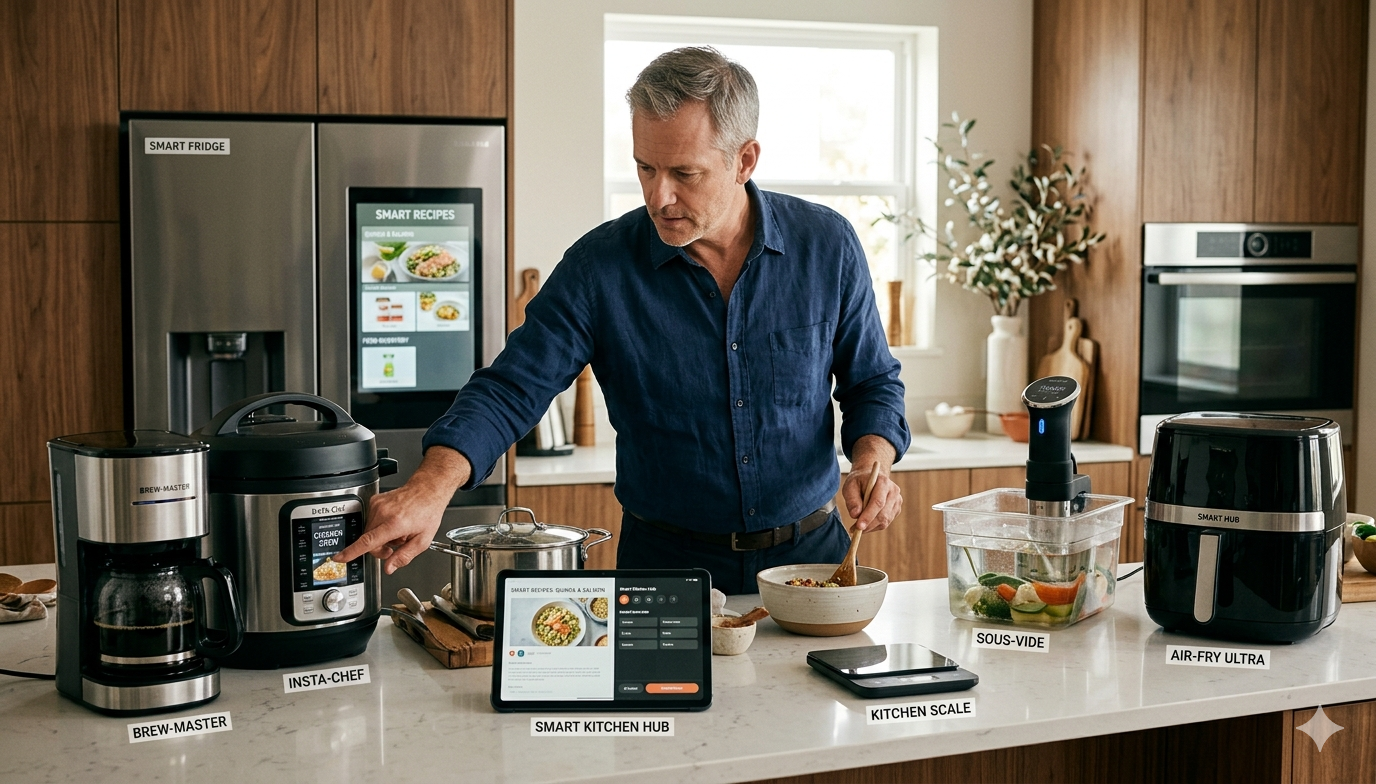
Modern Living With Smart Kitchen Gadgets for Easy Daily Cooking
Smart kitchen tools are changing the way people cook and manage their homes. These devices help save time, reduce effort, and improve the cooking experience for families and individuals. From automatic coffee makers to digital air fryers, many people now prefer appliances that make kitchen tasks simpler and faster. Smart technology also helps users control appliances through mobile apps or voice commands, which adds extra convenience to daily routines.
Many households are investing in these devices because they improve efficiency and help maintain better organization in the kitchen. Busy lifestyles often leave little time for cooking, and modern appliances can reduce preparation time significantly. Smart kitchen gadgets also support better cooking accuracy, helping users prepare meals with the right temperature and timing without constant monitoring.
Different Types of Smart Kitchen Gadgets
There are many kinds of smart kitchen devices available today. Smart refrigerators are among the most advanced appliances because they can track groceries, display recipes, and even alert users when food is about to expire. Some refrigerators include touch screens and cameras that allow people to check their food items remotely through a smartphone.
Another popular category includes smart cooking appliances such as air fryers, ovens, and pressure cookers. These gadgets often come with preset cooking modes that make meal preparation easier for beginners. Smart coffee machines, blenders, and dishwashers are also widely used because they increase comfort and reduce manual work in the kitchen.
How Smart Kitchen Gadgets Save Time
One major advantage of modern kitchen technology is time management. Smart devices automate many repetitive tasks that normally require attention and effort. For example, programmable coffee machines can prepare coffee before a person wakes up, while smart ovens can automatically adjust cooking temperatures for better results.
Meal preparation becomes much faster when appliances perform multiple tasks at once. Smart food processors can chop, mix, and blend ingredients in minutes. Digital timers and mobile notifications also help users avoid overcooking or burning food, allowing them to focus on other activities while meals are being prepared.
Improving Cooking Accuracy With Smart Technology
Cooking accuracy is important for achieving consistent flavor and texture. Smart appliances are designed with sensors and digital controls that help maintain exact temperatures and cooking times. This reduces the risk of undercooked or overcooked meals and helps users prepare food with greater confidence.
Smart thermometers and connected cooking systems also provide real-time updates during the cooking process. Many devices include recipe guidance and automatic adjustments based on the type of food being prepared. These features are especially useful for people who are still learning cooking techniques or trying new recipes.
Energy Efficiency and Cost Benefits
Many modern kitchen appliances are built to consume less electricity compared to traditional devices. Smart dishwashers and refrigerators often include energy-saving modes that automatically reduce power usage when demand is low. This helps households lower electricity bills while still enjoying advanced features.
Although some smart devices may seem expensive at first, they can provide long-term savings through reduced energy consumption and better food management. Smart refrigerators can prevent food waste by tracking expiration dates, while precise cooking systems help reduce ingredient waste during meal preparation.
Smart Kitchen Gadgets for Healthy Eating
Healthy eating has become an important goal for many families, and technology is helping support better food habits. Air fryers, steam cookers, and smart grills allow people to prepare meals with less oil and fewer unhealthy ingredients. These appliances make it easier to cook balanced meals at home instead of relying on fast food.
Many smart devices also include nutrition tracking and recipe suggestions. Users can access healthy meal ideas directly from connected apps and adjust recipes according to dietary preferences. This makes healthy cooking more practical and enjoyable for people with busy schedules.
Convenience Through Mobile Connectivity
One of the most attractive features of modern kitchen technology is mobile connectivity. Many appliances can connect to smartphones through wireless applications. This allows users to monitor cooking progress, adjust settings, or receive notifications even when they are not in the kitchen.
Voice assistant compatibility is another helpful feature found in many smart appliances. Users can control devices with simple voice commands, making cooking more comfortable and efficient. Remote access also provides greater flexibility for managing kitchen tasks while multitasking around the home.
Best Features to Look for in Smart Kitchen Gadgets
When choosing kitchen appliances, it is important to focus on features that match daily needs. Easy controls, reliable connectivity, and durable construction are some of the most important qualities to consider. Appliances with user-friendly interfaces are especially helpful for beginners who may not be familiar with advanced technology.
Safety features should also be a priority when purchasing kitchen gadgets. Automatic shut-off systems, temperature alerts, and child safety locks provide extra protection during cooking. Devices with regular software updates and strong customer support are often more dependable and offer a better long-term experience.
Smart Kitchen Gadgets for Small Kitchens
People with limited kitchen space can still enjoy the benefits of modern appliances. Many companies now produce compact devices that combine multiple functions in one machine. Multi-cookers, compact dishwashers, and portable induction cooktops are excellent options for smaller homes and apartments.
Space-saving gadgets help maintain organization and reduce clutter in the kitchen. Foldable designs and stackable appliances are also becoming more common because they improve storage efficiency. Choosing compact yet powerful devices allows users to enjoy modern convenience without overcrowding their kitchens.
The Role of Artificial Intelligence in Kitchen Appliances
Artificial intelligence is becoming a major part of home technology, including kitchen equipment. Some advanced appliances can learn user preferences and recommend cooking settings based on previous behavior. This creates a more personalized cooking experience and helps users achieve better results over time.
AI-powered refrigerators can suggest recipes based on available ingredients, while smart ovens can recognize certain foods and adjust cooking programs automatically. These innovations continue to improve convenience and show how technology is shaping the future of home cooking.
Challenges of Using Smart Kitchen Gadgets
Despite their advantages, smart appliances also come with some challenges. High purchase costs can discourage some buyers, especially for advanced devices with premium features. Internet connectivity problems may also affect performance because many appliances depend on wireless connections for full functionality.
Some users may find advanced settings difficult to understand at first. Learning how to operate connected devices and mobile applications can take time. Privacy and security concerns are another issue because internet-connected appliances may collect user data. Choosing trusted brands with strong security systems can help reduce these risks.
Future Trends in Smart Kitchen Gadgets
The future of kitchen technology looks very promising as companies continue developing more intelligent and efficient appliances. Future devices may include better automation, improved voice control, and stronger integration with other smart home systems. Cooking could become even easier through fully automated meal preparation systems.
Sustainability is also expected to play a larger role in appliance design. Manufacturers are focusing on recyclable materials and lower energy consumption to create environmentally responsible products. As technology continues to improve, smart kitchen gadgets will likely become more affordable and accessible for households around the world.
Conclusion
Smart kitchen gadgets are transforming modern cooking by offering greater convenience, efficiency, and accuracy. These devices help save time, support healthier eating habits, and improve kitchen organization through advanced technology. From smart refrigerators to AI-powered ovens, modern appliances continue to make daily cooking easier and more enjoyable.
As technology evolves, kitchens will become even more connected and intelligent. People who invest in practical and reliable smart appliances can enjoy better cooking experiences and more comfortable daily routines. Smart kitchen gadgets are no longer just luxury items because they are becoming an essential part of modern home living.